The Long Love Affair with Paper Planners
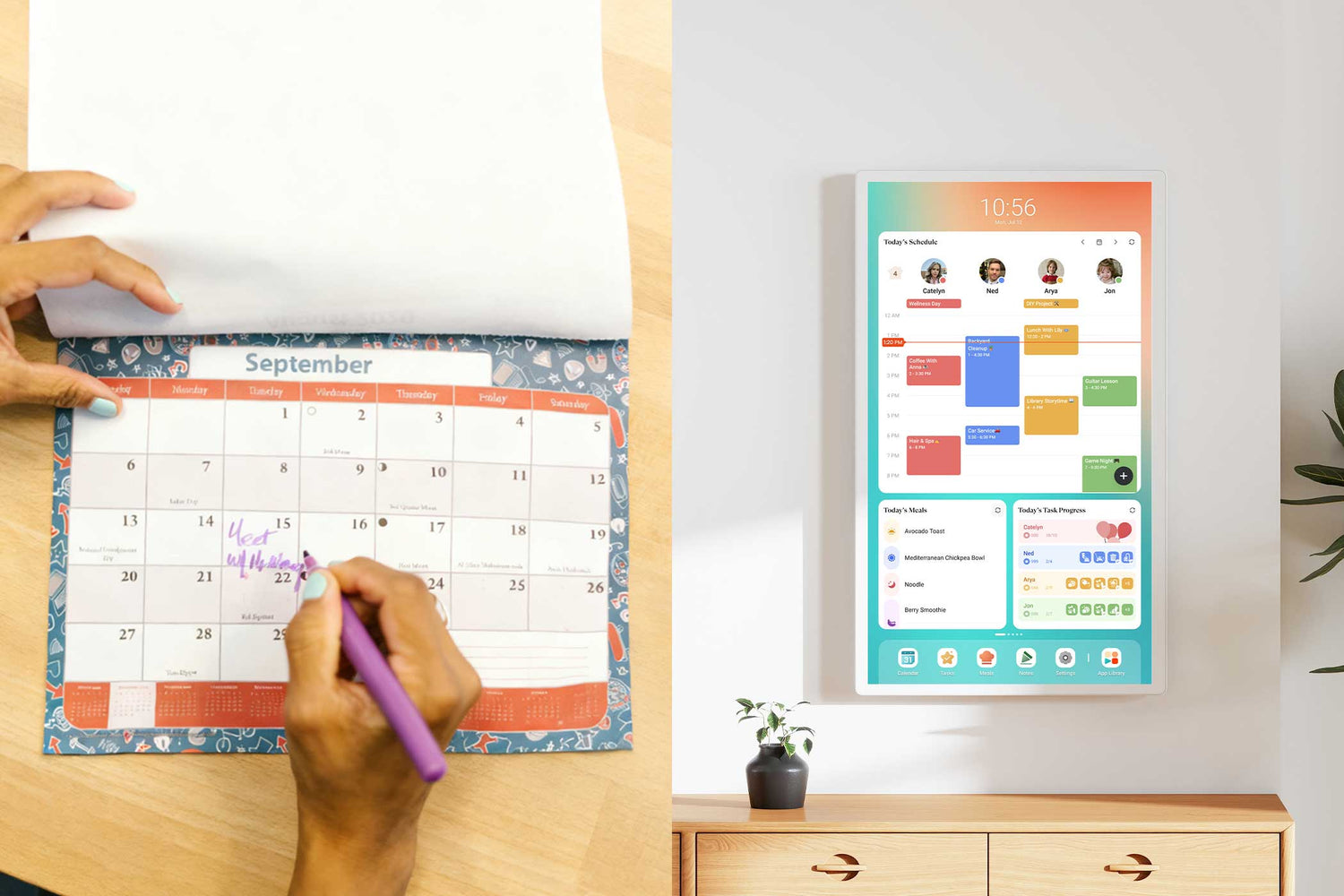
For decades, paper planners were the go-to tool for staying organized. They were simple, tangible, and personal. Writing things down by hand has even been shown to improve memory retention — one 2014 study published in Psychological Science found that handwriting notes helps people process information more deeply than typing.
Even today, many people still enjoy the feel of flipping through a planner, the satisfaction of crossing off a task, or the creativity of customizing layouts with pens and stickers. In fact, according to Statista, the global stationery market is projected to reach over USD 240 billion by 2030, showing that paper isn’t going away anytime soon.
The Rise of Digital Calendars
At the same time, digital tools have transformed how we manage time. A 2023 Pew Research survey reported that 86% of U.S. adults use a smartphone, and for many, the built-in digital calendar is now their primary organizer. Unlike paper planners, digital calendars:
- Sync across devices in real time
- Send reminders and notifications
- Allow collaboration with family members or coworkers
- Integrate with other apps like email, to-do lists, and video calls
And the shift is accelerating. Google Calendar alone has over 500 million downloads on Android, while apps like Outlook, Apple Calendar, and specialized productivity tools are now embedded in both work and personal routines.
Beyond Basics: Emerging Alternatives
Between the extremes of traditional paper and standard digital apps, new hybrids have emerged:
-
Smart planners with Cloud Storage
Traditional handwriting meets digital convenience. Write on paper, then sync to the cloud for archiving and easy access.
 Credit: Roketbook
 -
App Calendars
Mobile and desktop calendar apps desiged for individual use, helping one person organize schedules and to do lists.
 Credit: OneCal
 -
Wall displays & smart devices
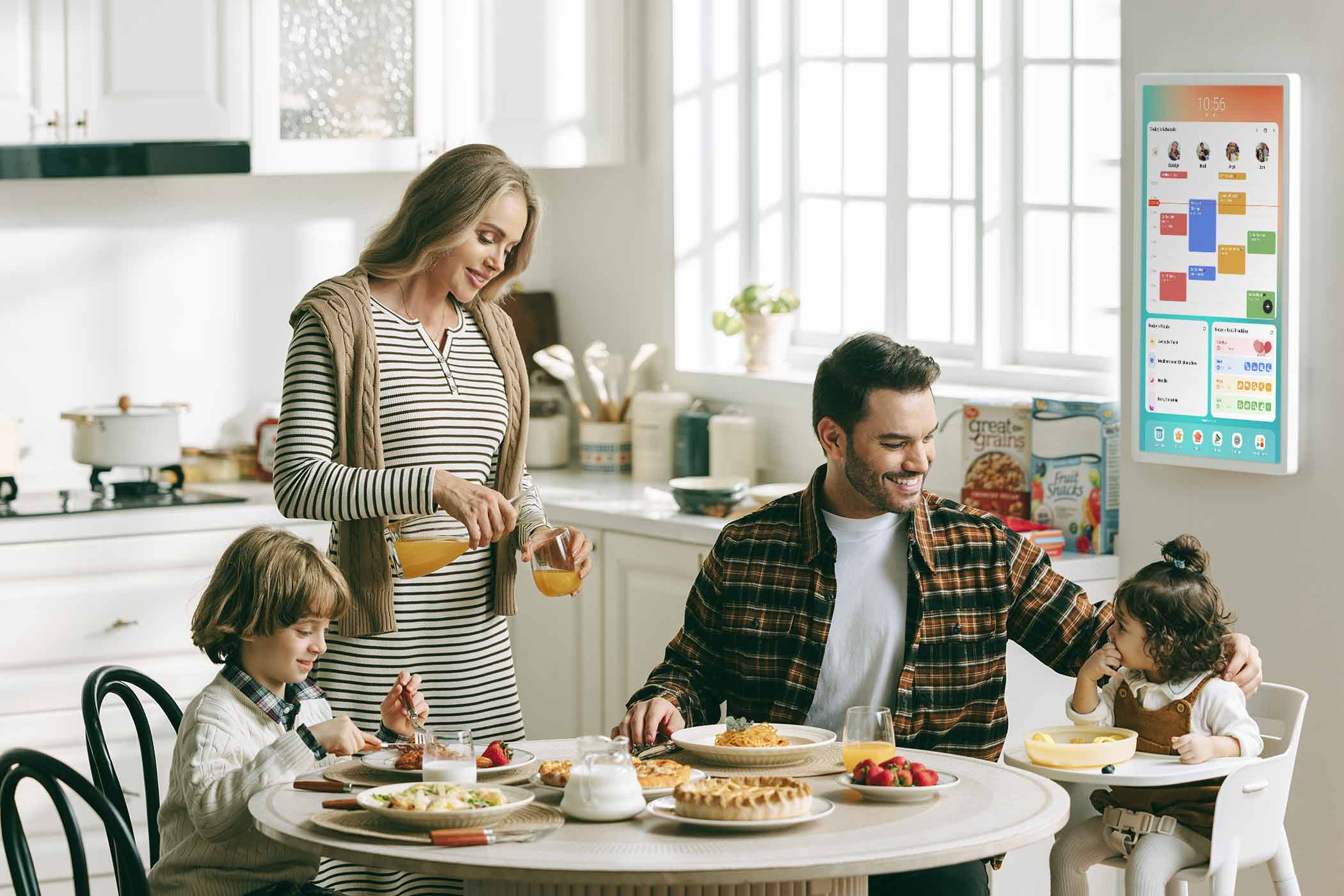
Large shared screens and smart hubs placed in the home. They serve as a central “family dashboard” for events, chores, and updates that everyone can see.
 Credit: Cozyla
Each option tries to address the same core challenge: keeping us organized in a world where schedules are increasingly complex.
The Big Question: What Works Best for You?
So, is the future completely digital, or does paper still hold its charm? Some people value the tactile, mindful process of writing by hand. Others rely on the convenience and connectivity of digital calendars. Many families and professionals are experimenting with blends of both.
What about you? Do you still prefer the feel of pen and paper, or are you ready to go fully digital?
And if you’re curious about what modern digital calendars can offer beyond the basics, you can always take a look at our Cozyla Calendar+ 2 — designed to make family organization simpler and more connected.