The Homework Routine That Finally Sticks — Built Around a Digital Calendar
- by Cozyla Team
- by Cozyla Team
 United States
You've set up a homework routine before. Probably more than once. You picked a time, cleared the desk, turned off the TV, and told yourself this year would be different. And it was — for about two weeks. Then October arrived, life got busy, and somewhere between soccer practice and a school project that was due yesterday, the routine quietly disappeared.
So here you are again. And the problem isn't you — it's that every homework routine you've ever built was yours. Not theirs.
Here's the thing nobody says out loud about homework routines: most of them are designed by parents, enforced by parents, and tracked by parents — while the child is simply expected to show up and comply.
And compliance isn't a routine. It's managed behavior. The parent sets the time, gives the reminder, checks the work, and chases the follow-through. The child does what they're told — until the parent isn't watching. Then the whole thing falls apart. This is why homework routines fail. Not because kids are lazy. Not because screens are too tempting. But because the routine never actually belonged to the child in the first place.
A routine a child owns looks completely different from one they're just following. And the difference starts with who can see it.
In the first version, a parent reminds their child three times that homework needs to happen. The child negotiates, delays, and eventually sits down under protest. The parent checks in twice, redirects once, and follows up at bedtime to make sure everything got done. By the end of the evening, everyone is a little more tired and a little more frustrated than they needed to be.
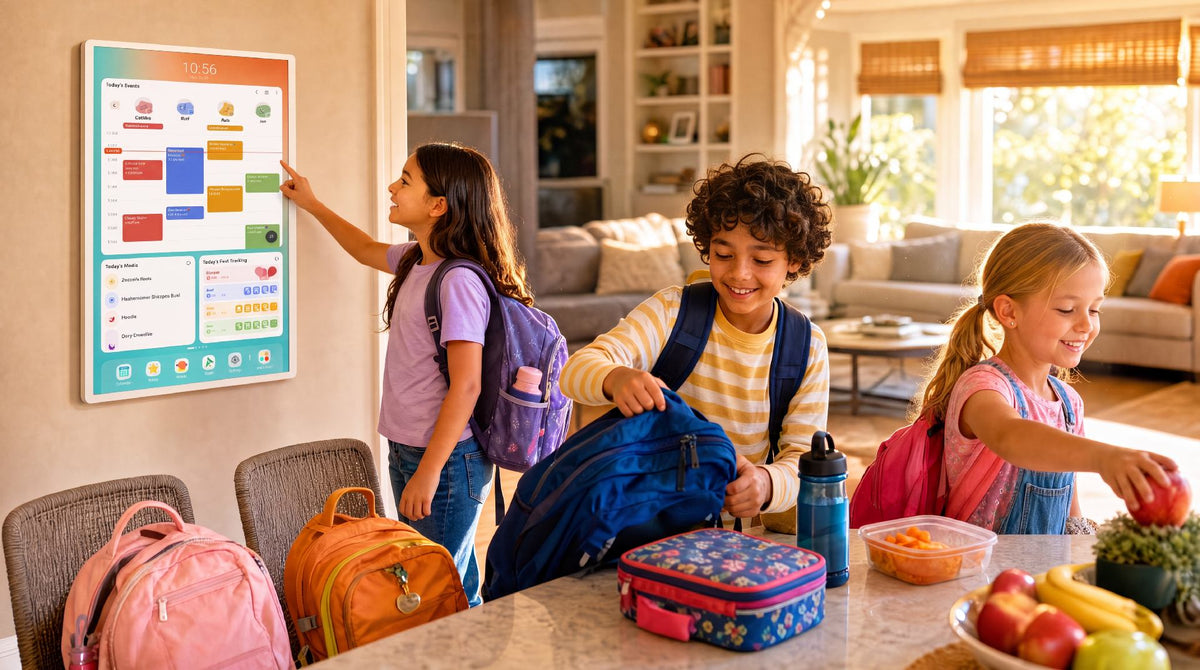
In the second version, the child walks in from school, checks the family calendar, sees their homework tasks listed for the afternoon, and starts working through them. When they finish, they check each one off and claim the reward stars they've been building toward all week. Nobody nagged. Nobody negotiated. The routine just happened — because it belonged to them.

Same homework. Same child. Completely different dynamic. The only thing that changed was visibility and ownership.
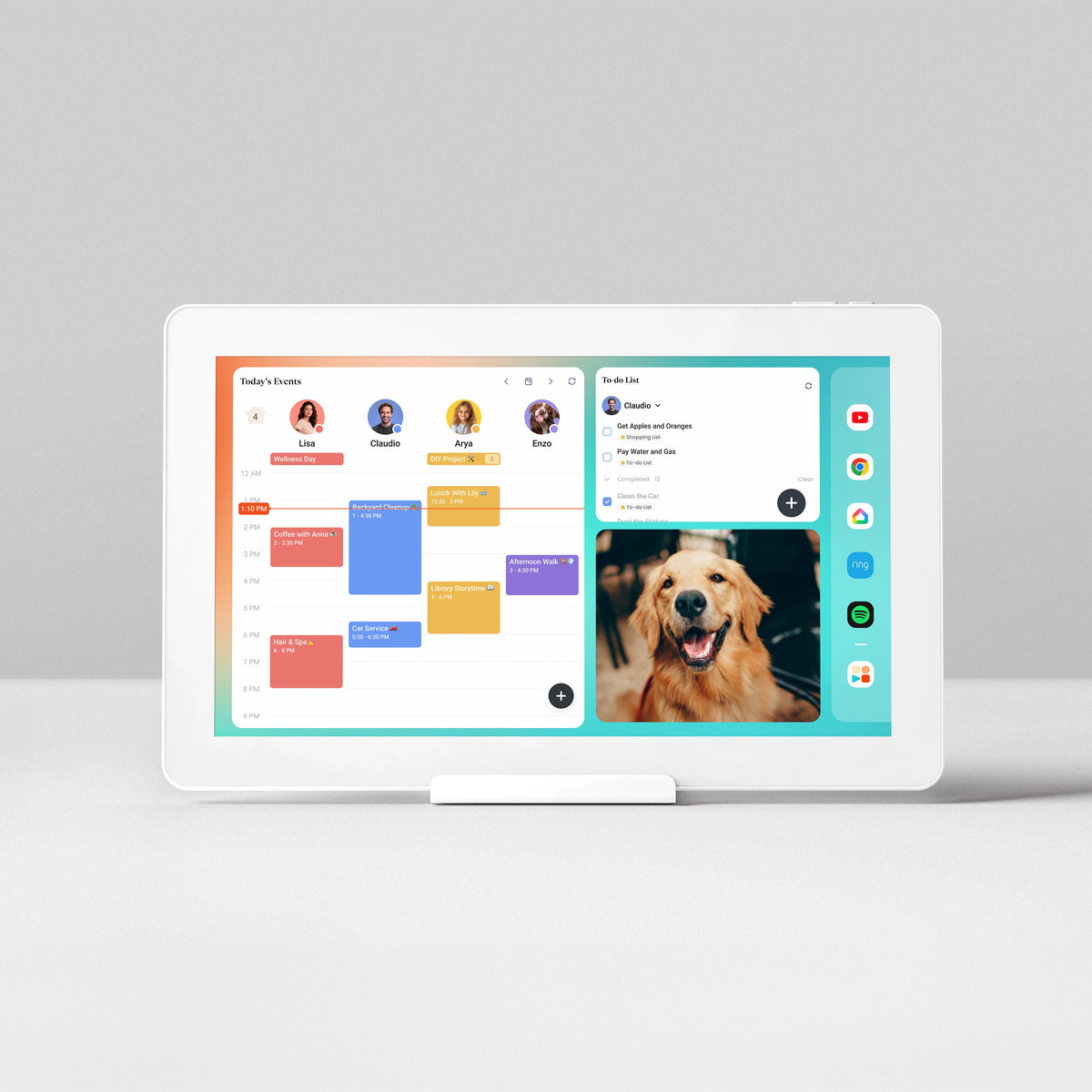
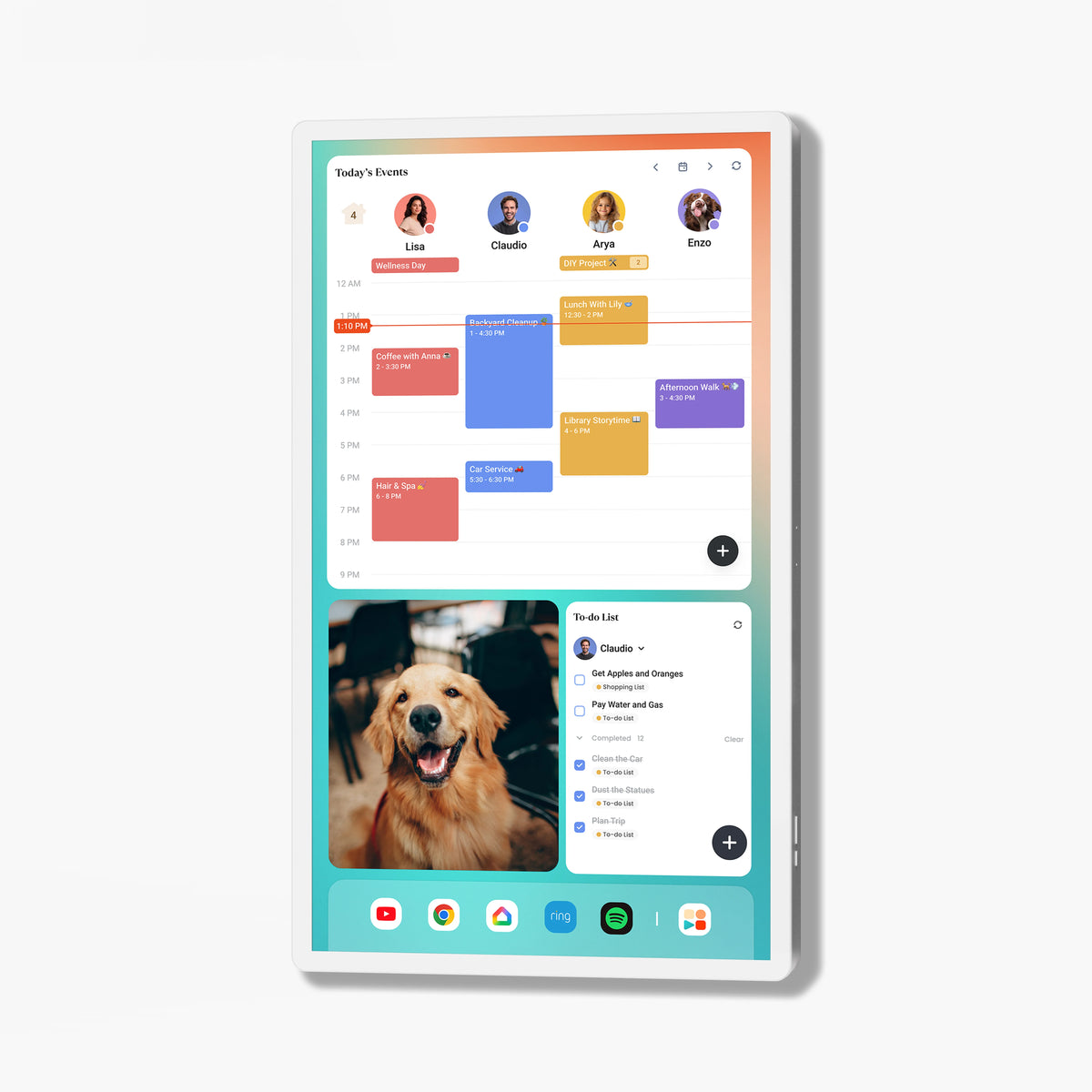
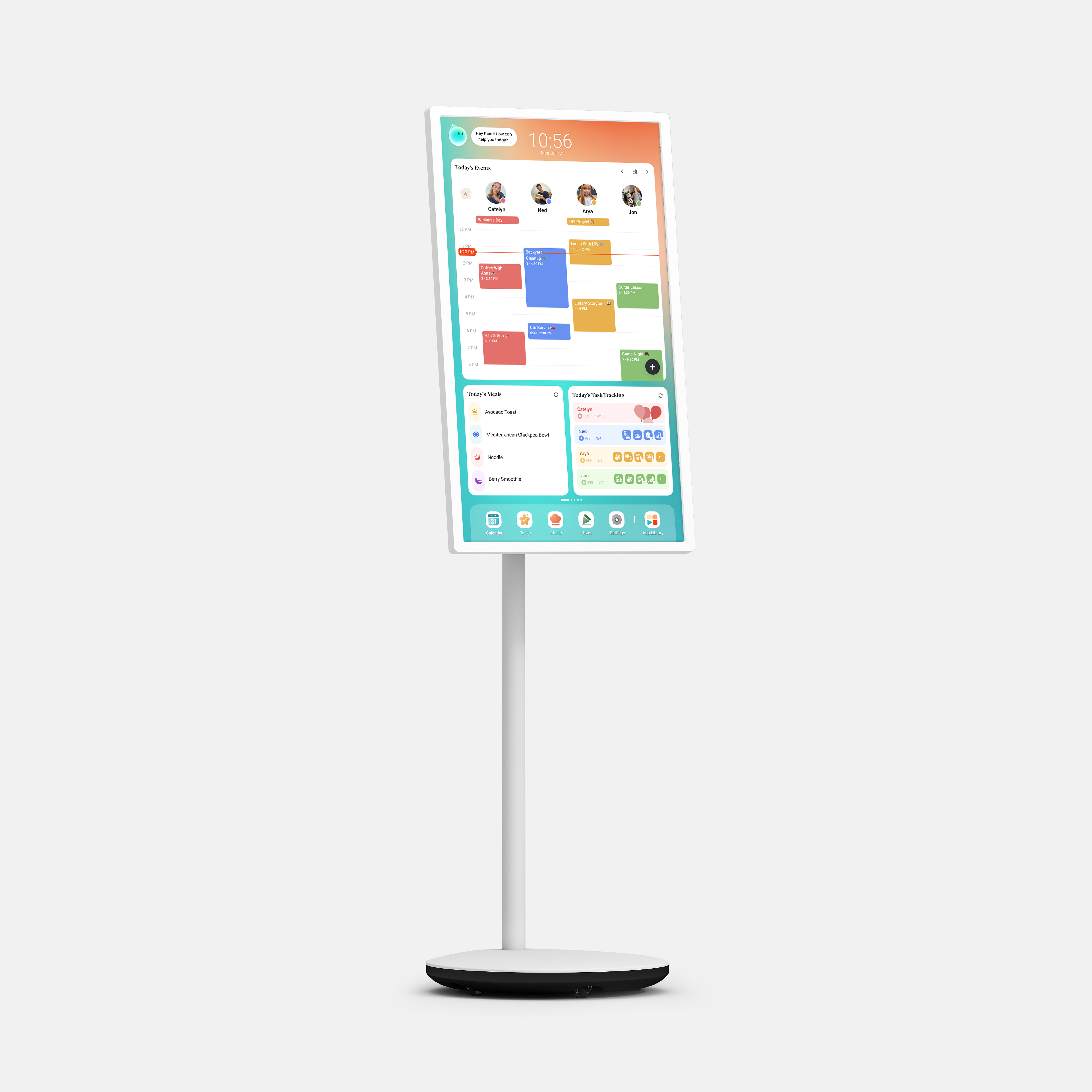
When the homework routine lives on a calendar the whole family can see, something fundamental shifts. The calendar becomes the authority — not the parent. The child isn't doing homework because someone told them to. They're doing it because it's on their list, they can see what needs to be done, and there's something worth working toward when they finish.
Here's what that looks like in practice with Cozyla:
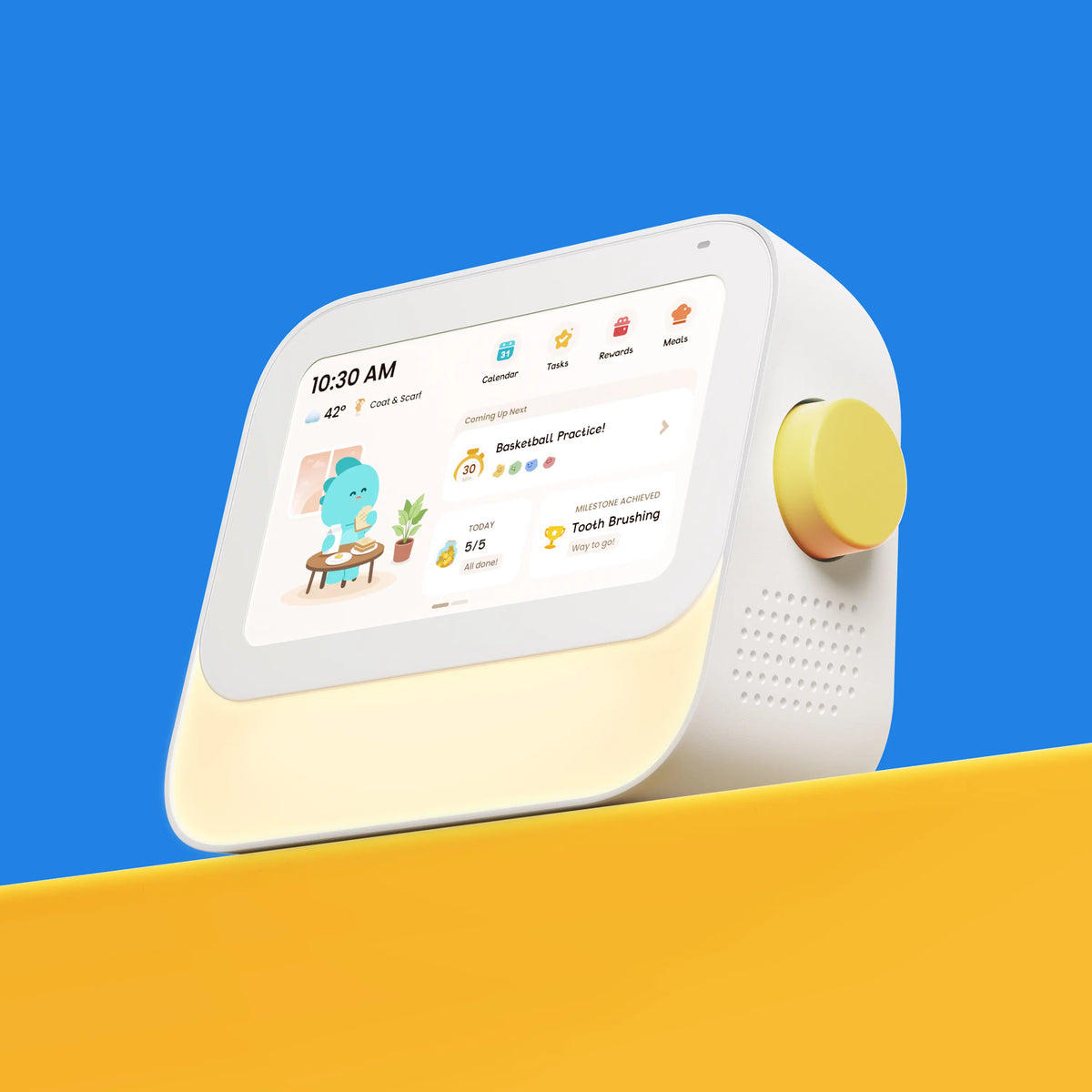
The calendar is the reminder, not you. A smart alert fires before homework time — the child gets the heads-up without a parent having to say a word. That small shift removes the most common source of afternoon tension before it even starts.
The task list makes "homework" specific. Instead of the vague instruction to "do your homework," the calendar shows exactly what needs to be done —a math worksheet, reading a chapter, spelling words. Specific tasks have a finish line. Vague instructions don't.
Checking off builds momentum. Each completed task gets checked off the list. That visible progress — watching the list shrink — is genuinely motivating for children in a way that a parent saying "good job" never quite replicates.
Kids add their own assignments. When children are responsible for adding their own homework and deadlines to the calendar, accountability shifts entirely. It's no longer the parent's job to remember what's due — it's theirs. That handover feels small, but it does change.

The reward system makes finishing worth it. Completing the homework list earns stars toward rewards the family sets together. The finish line stops being "homework is done" and becomes "I earned something." That reframe is surprisingly powerful for kids who struggle to get started.
The transition from parent-owned to child-owned doesn't happen overnight. Here's a simple five-day plan to make it gradual and sustainable:
By Friday, the routine belongs to them. And a routine that belongs to a child is one that actually sticks.
It will fall apart sometimes. A school break, a stressful week, a big project that throws everything off — routines slip, and that's completely normal.
The key is not to treat a slip as a failure. Instead, use the calendar as a reset tool. Sit down together, look at the list, adjust what isn't working, and hand ownership back. The conversation shifts from "why didn't you do your homework?" to "let's look at the calendar and figure out what needs to change." That's a much easier conversation for everyone. The calendar isn't a rigid contract. It's a living system — one that can bend without breaking.
The homework routine that finally sticks isn't the strictest one — it's the one your child understands, can see, and feels genuinely responsible for.
Cozyla's digital family calendar gives families the tools to make that happen. With a shared visual schedule, task lists kids can build and check off themselves, smart reminders that replace the parent's voice, and a reward system that makes finishing feel worth it — it's built for the kind of homework routine that doesn't need enforcing, because the child owns it. Explore Cozyla calendars and build a homework routine that finally belongs to them.
Discover thoughtful picks that help families stay on track.
More ways to make family life feel easier

What Is a Kids' Routine Device — And Does Your Family Need One?
Read moreabout What Is a Kids' Routine Device — And Does Your Family Need One?

8 Fun Ways to Use the Screensaver on Your Cozyla Digital Calendar
Read moreabout 8 Fun Ways to Use the Screensaver on Your Cozyla Digital Calendar
The Right Cozyla in the Right Room: A Simple Size Guide for Families
Read moreabout The Right Cozyla in the Right Room: A Simple Size Guide for Families