Summer is here, which means the long-awaited school break has finally begun for kids. After a long school year, summer gives them a chance to truly unwind, relax, and recharge. But at the same time, it also disrupts the structured routine they’re used to during school days.
When school is in session, children usually follow a clear daily rhythm: waking up, having breakfast, going to school, coming home, doing sports or after-school activities, finishing homework, and going to bed on time. This consistent routine helps kids feel secure and makes it easier for them to develop healthy habits. Once summer arrives and the school schedule disappears, daily life can quickly become more relaxed—and sometimes a bit unstructured.
How a Structured Summer Schedule Benefits Children
Kids may find themselves unsure of what to do at home or how to organize their summer time. Without that familiar structure, it’s easy for them to feel a bit overwhelmed, and in some cases, even anxious.
For many parents, the challenge becomes finding the right balance between giving kids enough freedom to rest and helping them maintain a healthy, steady, and meaningful routine throughout the summer break.
That’s why maintaining a consistent daily routine is beneficial for both children and parents. A structured schedule not only helps kids feel more secure and less anxious but also supports them in building responsibility and self-discipline. Creating a dedicated summer routine is definitely a worthwhile step!
How to Create a Summer Routine That Works for Your Children
A good summer routine is not about scheduling every hour of the day or turning vacation into a strict to-do list. The goal is more balanced: to create a flexible structure that supports both what children need to do and what they enjoy doing, while still leaving plenty of room for rest and freedom.
Instead of planning every detail, it can be helpful to think in simple parts of the day—morning, afternoon, and evening. Within this rhythm, you can gently include a mix of key activities that keep the day grounded and healthy. This might include:
✅ Personal Hygiene Tasks
✅ Regular Meal Times
✅ Light Chores
✅ Learning or Reading Time
✅ Physical Activity, Outdoor Play, and
✅ Meaningful Time Spent with Family
📌 Simple Tips:
↪ Let kids be part of the process
When the little ones help shape their own summer routine, they feel more involved and are more likely to follow it naturally.
↪ Keep their interests in mind
A good routine should reflect what kids enjoy and need, not just what works best for adults.
↪ Prepare a simple activity list together
You can create a “choice list” of fun indoor and outdoor activities, so they can pick what they feel like doing each day.
↪ Use encouragement instead of pressure
Small rewards and positive feedback can go a long way in keeping them motivated.
↪ Make sure they get enough good sleep
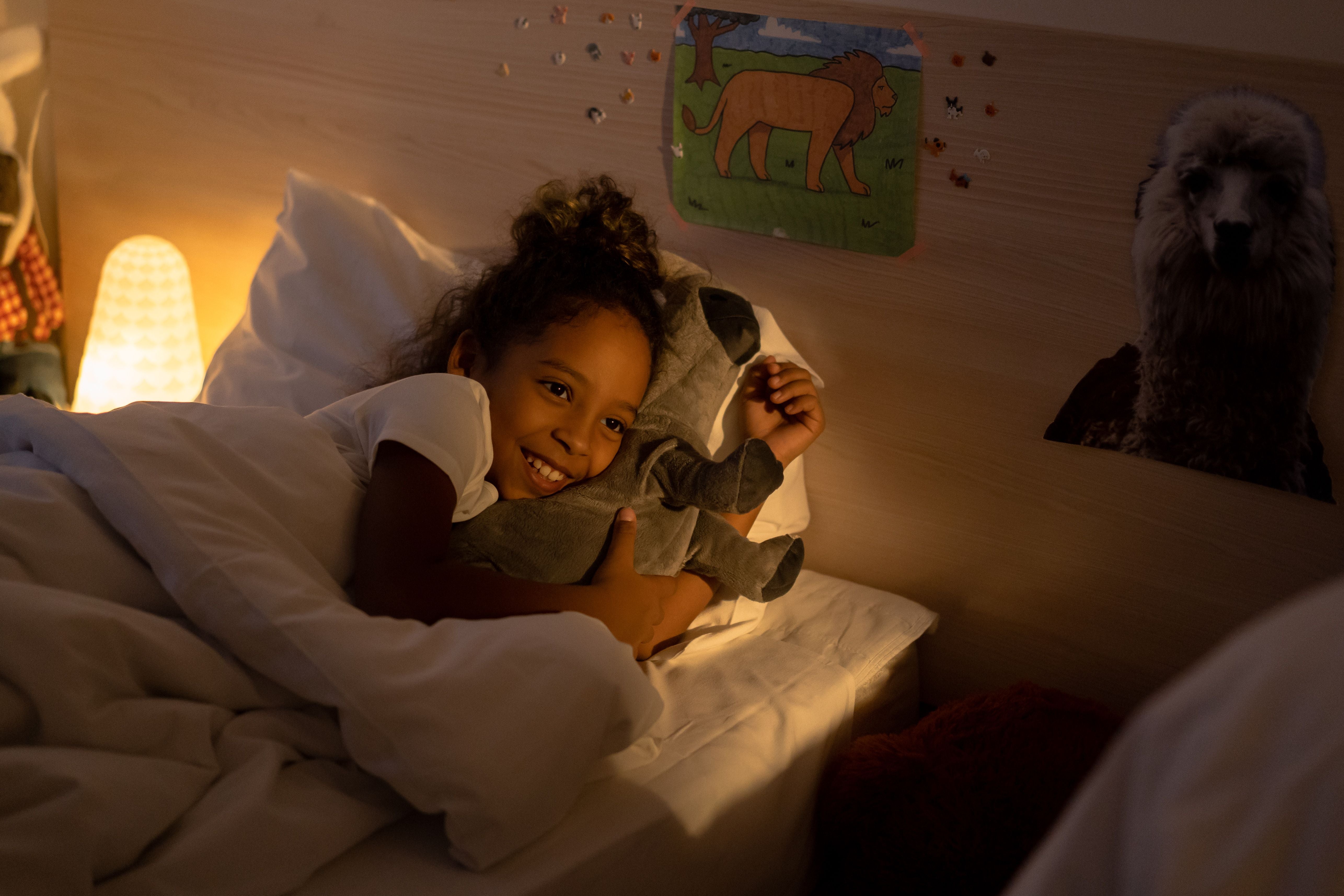
A well-rested child is happier and more focused, so healthy sleep habits are just as important as daytime activities.
Making It Easier with a Visual Schedule
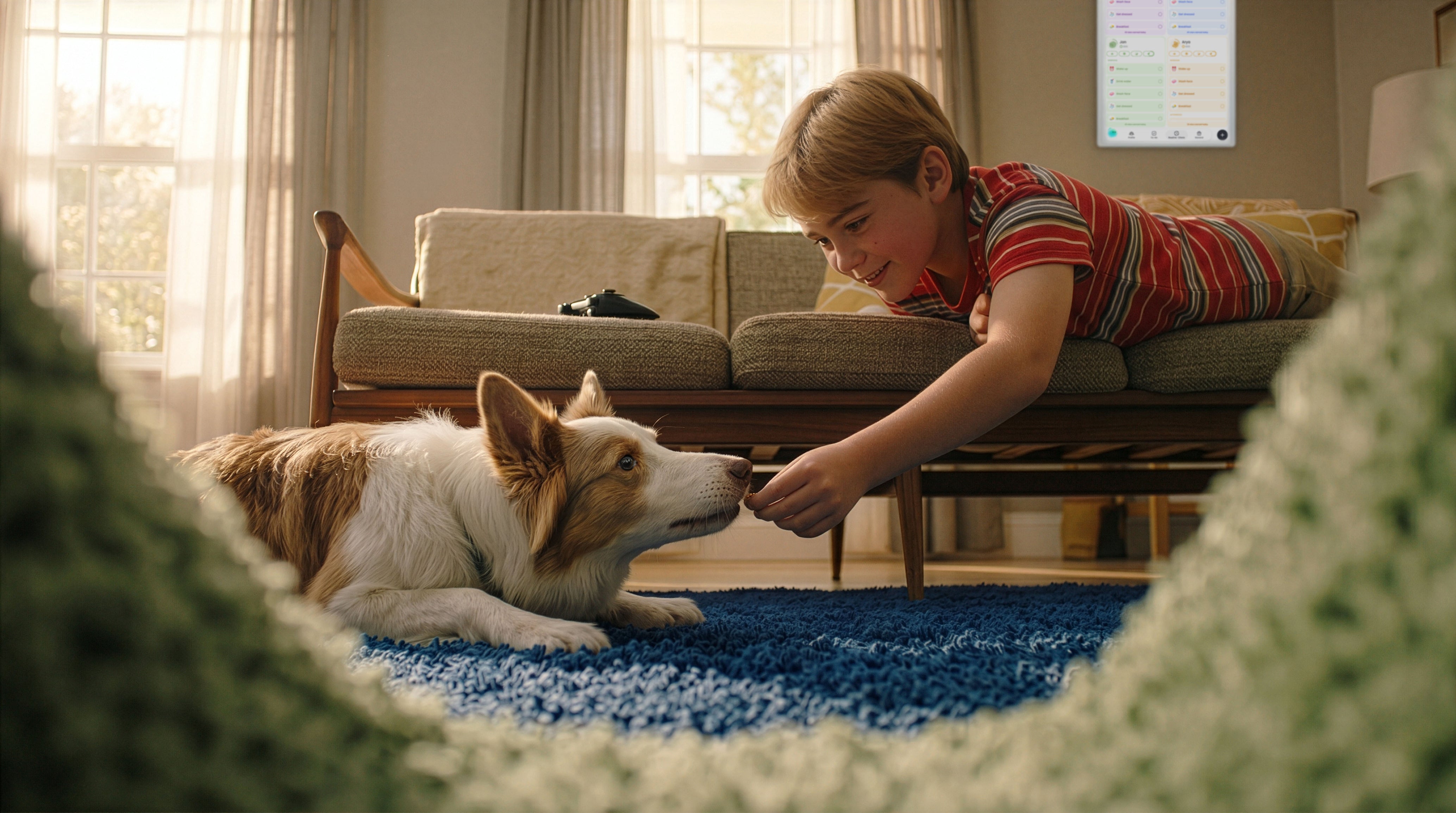
Using a visual schedule to organize a child’s summer activities can make daily routines easier to understand and follow. By combining simple words with pictures or icons to show activities like reading, learning, playtime, and outdoor activities, children can clearly see what they need to do and what comes next. Adding completion markers such as checkboxes, stickers, or moving task cards can make the schedule more interactive, giving children a sense of achievement while encouraging independence in managing their own time. For children who benefit from more structure, a visual schedule also helps them understand routines through a simple “first this, then that” approach, making transitions smoother and reducing uncertainty. It also gives parents a practical way to minimize repeated reminders and create a more enjoyable, stress-free summer routine for the whole family.
What a Typical Summer Day Can Look Like
Check out this sample schedule for inspiration on organizing your summer days:
⏱ 7:00–7:30 AM | Wake Up, Make Bed & Eat Breakfast
Wash face, brush teeth, tidy bedroom independently, and have breakfast
⏱ 7:30–8:00 AM | Morning Chores & Personal Prep
Put dishes away, feed family pet, get dressed, pack daily outdoor backpack
⏱ 8:00–10:00 AM | Morning Outdoor Activities (cool hours before midday heat)
Bike riding, sidewalk chalk, backyard soccer, swing set, garden watering, scavenger hunt; mandatory sunscreen & water breaks
⏱ 10:00–10:30 AM | Snack Break and Rest Reset
Light snack (e.g., yogurt, granola bars, berries), quiet sitting, refill water bottles, quick bathroom break
⏱ 10:30 AM–12:00 | Structured Learning Time
Reading picture/chapter books, Math worksheets, 30 mins educational activity (writing journal, spelling practice, nature observation log)
⏱ 12:00–1:00 PM | Lunch & Clean-Up
Family lunch together; kids wipe the table, clear plates, and wipe counters after eating
⏱ 1:00–2:30 PM | Quiet Rest / Nap Time
Younger kids (6–8): 1-hour nap; older kids (9–12): silent reading, puzzle, audio story on bed/couch; NO loud noise or screens
⏱ 2:30–4:00 PM | Indoor Fun or Cool Outdoor Activity
➥ Option A (Indoor): board games, fort building, puppet play, simple science experiments
➥ Option B (Cool Outdoor): community pool visit, sprinkler play, shaded park walk
⏱ 4:00–4:30 PM | Afternoon Snack & Hydration
⏱ 4:30–5:30 PM | Free Choice Unstructured Play
Kids pick their own activity: dolls, action figures, video game (limited to 1 hour max total daily screen time)
⏱ 5:30–6:30 PM | Help With Family Dinner Prep & Evening Chores
Wash veggies, set dinner table, fold clean laundry, sweep playroom floor
⏱ 6:30–7:15 PM | Family Dinner Time
No phones at the table; share one good thing that happened today
⏱ 7:15–8:00 PM | Evening Wind-Down Outdoor Walk
Neighborhood stroll, walk the dog, watch the sunset
⏱ 8:00–8:40 PM | Bath/Shower & Nightly Prep
Wash up, put dirty clothes in the hamper, pack tomorrow’s activity bag, pick out next day’s outfit
⏱ 8:40–9:10 PM | Bedtime Reading & Family Chat
Parent read aloud + independent silent reading; talk about tomorrow’s summer plans
⏱ 9:10–9:30 PM | Lights Out for Sleep
Stay Organized All Summer with Cozyla
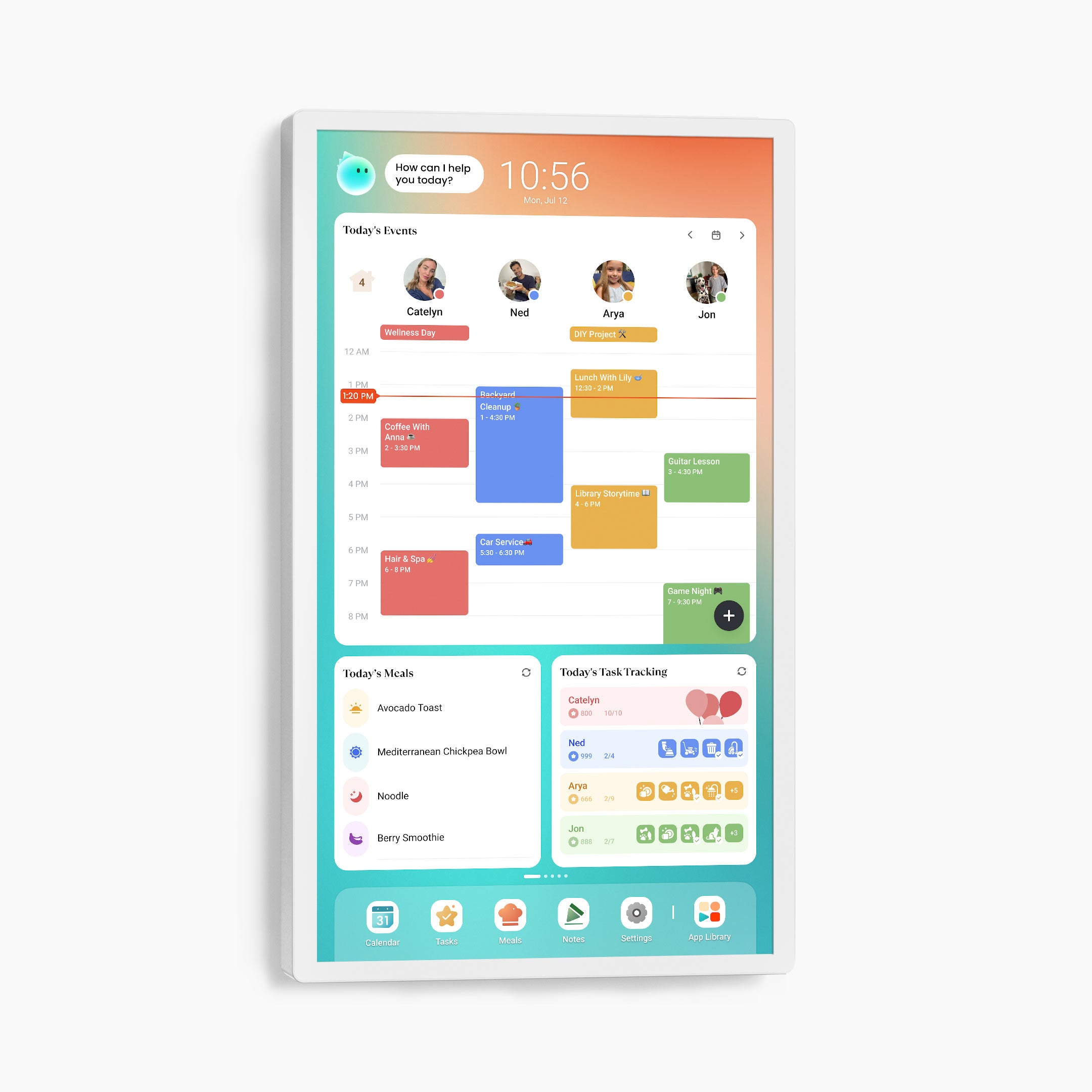
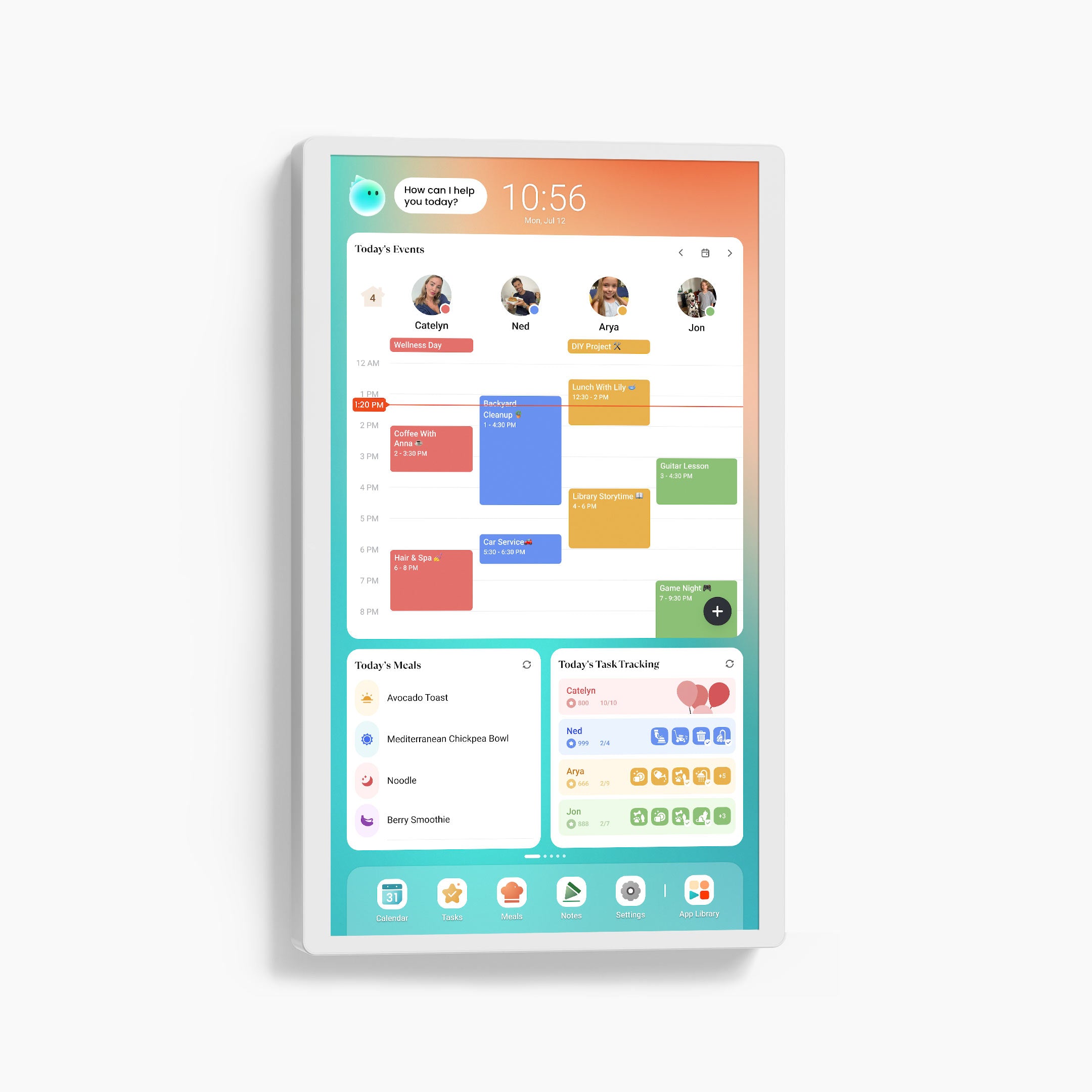
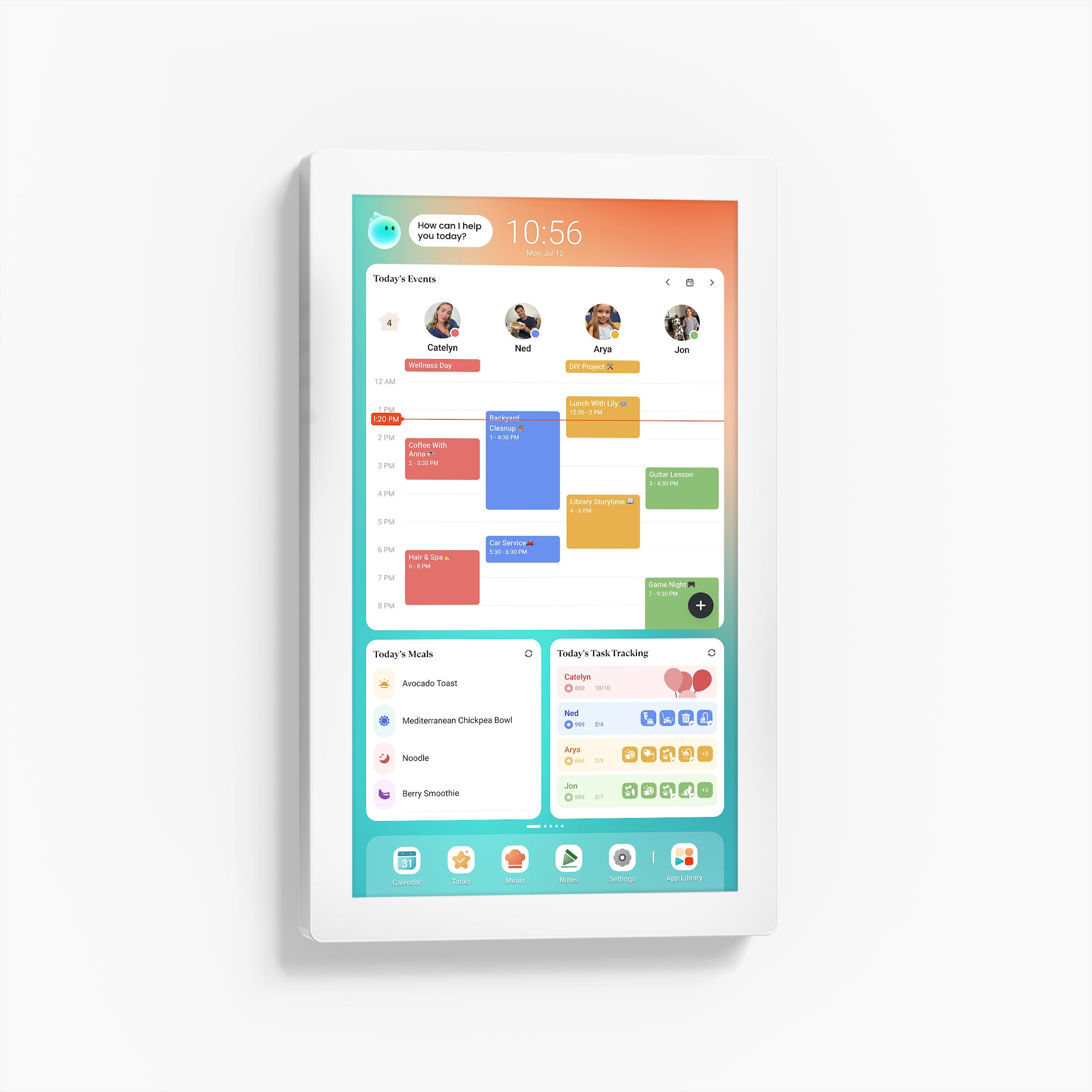
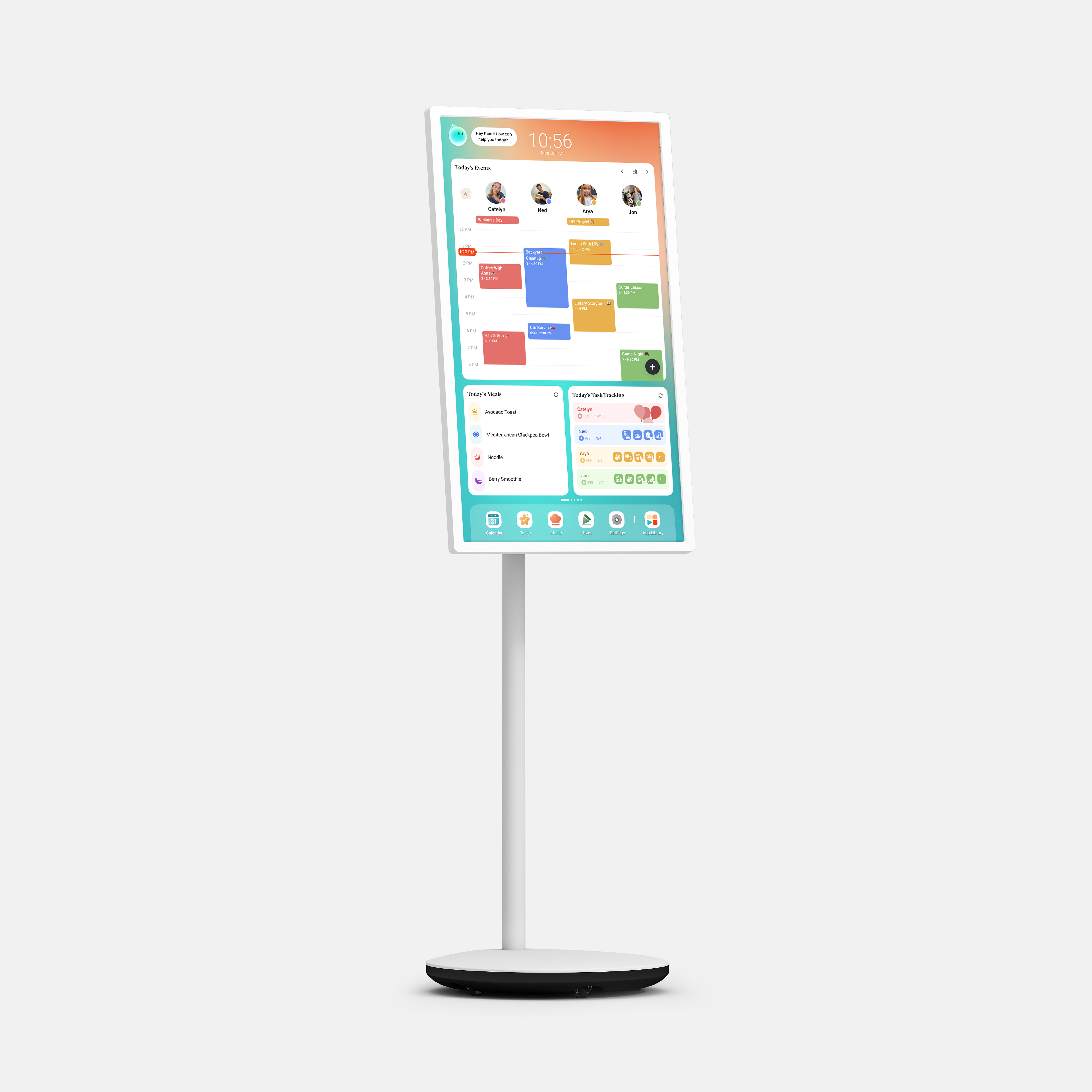
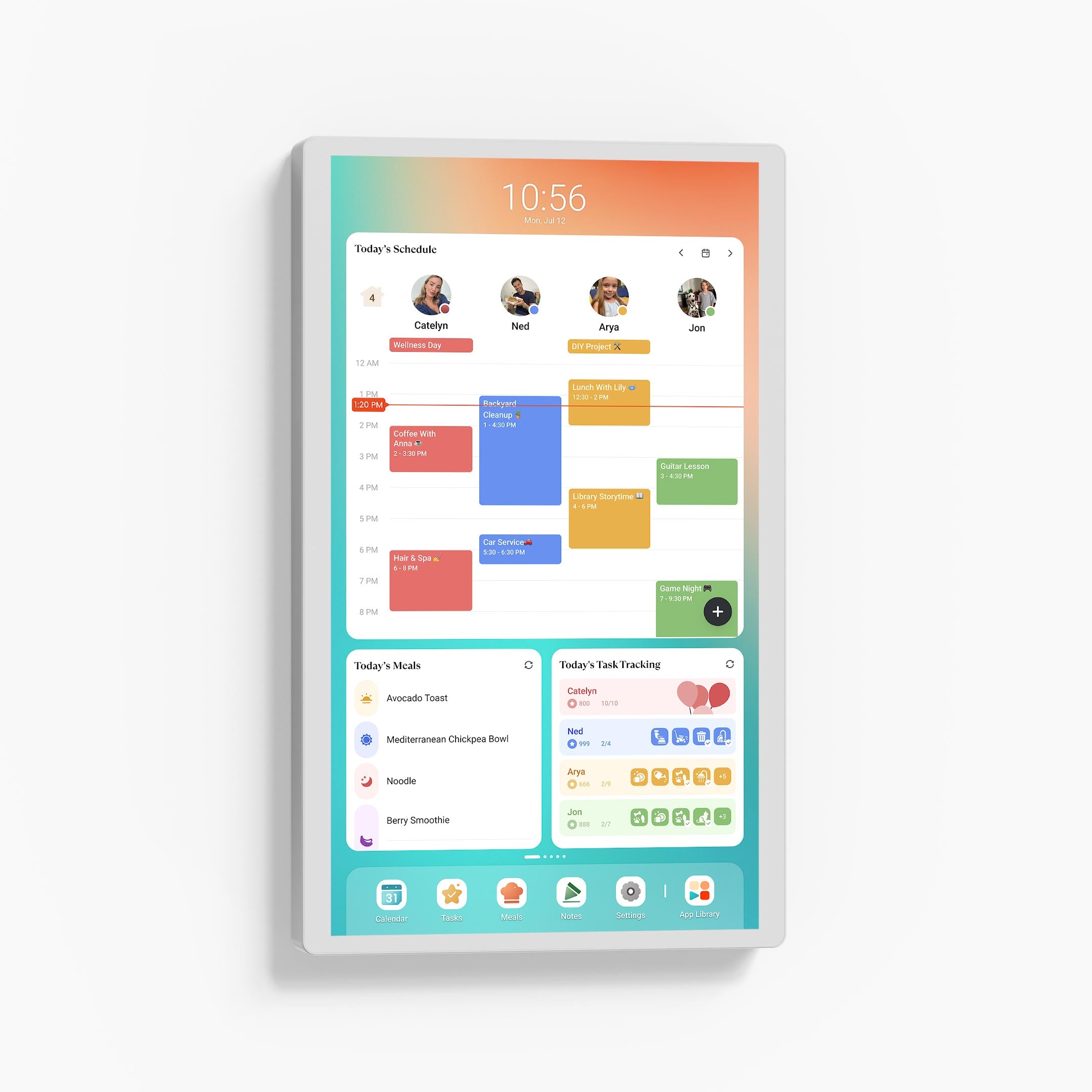
If you’re looking for a simpler way to put all of this into practice, Cozyla digital calendars are designed to turn these ideas into a real, workable system for families. It helps you build visual schedules that are easy for kids to understand while keeping everything in one place. You can sync family calendars, manage daily tasks and chores, and organize meal plans without the usual back-and-forth. It’s a practical way to keep summer routines clear, flexible, and actually doable for both parents and kids.
Start building a smoother summer routine and creating a more enjoyable summer filled with fun activities, learning, and meaningful family time with us!


 United States










Share: