


Chore List for Kids by Age: How to Build Habits That Actually Stick
- by Cozyla Team
- by Cozyla Team
 United States
Between school, activities, meals, and everything else that keeps a family running, chores are often seen as just another thing to add to a child’s day. But age-appropriate chores are about much more than keeping the house tidy. They give kids the chance to contribute, build confidence through small accomplishments, and develop important skills like responsibility, independence, and executive function.
The challenge is that most chore lists don’t last. A new chart might feel exciting at first, but after a few weeks, tasks get forgotten, reminders become exhausting, and parents end up managing the system instead of the kids. The key isn’t creating a longer chore list. It’s building a simple routine that fits your child’s age, keeps responsibilities visible, and helps kids stay motivated.
A chore that works well for one child may not work for another, and age is often the first factor to consider. Younger children are still developing coordination, attention span, and the ability to follow multi-step instructions, while older kids are ready for tasks that require more planning and independence. Choosing responsibilities that fit where a child is developmentally helps make chores feel achievable instead of overwhelming.
The goal is not to find the “perfect” chore list for every age, but to gradually introduce responsibilities that grow with your child. A successful chore routine meets kids where they are, giving them tasks they can understand, complete, and feel proud of. When responsibilities evolve over time, chores become a natural part of family life rather than something that feels forced.
The best chores are ones that feel achievable while still giving kids opportunities to take on more responsibility over time. As children grow, their chores can gradually move from helping with simple tasks to managing responsibilities more independently.
At this age, chores are less about getting things done perfectly and more about letting toddlers join in everyday family routines. Simple, hands-on activities help them practice following directions, build coordination, and discover the joy of being a helpful part of the family.
Chore ideas:
🔹Put toys back into a basket after playtime
🔹Help sort laundry by color or type
🔹Help prepare simple foods, such as tearing lettuce, washing fruits, or peeling peas with supervision
🔹Carry lightweight items to the table
🔹Help feed pets with supervision

Preschoolers are beginning to understand routines and can take ownership of small responsibilities they complete regularly. Repeated tasks help them learn what is expected and make chores feel like a normal part of the day.
Chore ideas:
🔹Make their own bed
🔹Put away books, toys, and personal belongings
🔹Set napkins or utensils before meals
🔹Pack their backpack with a change of clothes or items needed for preschool the next day
🔹Fold simple clothing items, such as socks, towels, or pajamas
🔹Sweep small areas with a child-sized broom
🔹Help put groceries away
🔹Help wash cups and non-greasy dishes with supervision
🔹Water plants or help care for family pets
School-age children are ready for chores that require more independence and follow-through. This is a good time to introduce responsibilities related to their own spaces, belongings, and daily routines.
Chore ideas:
🔹Keep their bedroom and personal spaces organized
🔹Put away their own laundry and organize their clothes
🔹Pack and unpack their school bag independently
🔹Load or unload the dishwasher with safe items
🔹Help prepare simple meals or snacks
🔹Help clean shared family spaces, such as wiping tables or vacuuming small areas

As children become more independent, chores can shift from simple tasks to responsibilities that require planning and consistency. They can begin managing tasks with less supervision and understand how their contributions affect the whole family.
Chore ideas:
🔹Do their own laundry
🔹Clean shared spaces (sweep and wet mop the floor)
🔹Prepare simple meals or snacks
🔹Help with grocery lists
🔹Take care of regular pet responsibilities
🔹Wash the family car
🔹Fold and put away the laundry for the families
Teenagers can take on more complex household responsibilities that prepare them for life beyond the home. At this stage, chores are less about being assigned tasks and more about becoming a reliable member of the household.
Chore ideas:
🔹Plan and cook family meals
🔹Manage personal laundry from start to finish
🔹Help with household maintenance (clean the bathroom, clean the windows, mow the lawn)
🔹Shop for groceries and manage a budget
🔹Support younger siblings when needed
🔹Help parents with simple home or auto repairs
Creating the list is often easier than keeping it going. Many chore systems start with good intentions but slowly fade: chores get forgotten, parents become responsible for keeping everything on track, and kids lose interest.
A chore can feel like a random task when kids only hear about it from parents. Visual reminders help children understand what needs to be done and make responsibilities feel like a natural part of their day.
When parents have to repeatedly ask, “Did you finish your chores?”, the responsibility stays with them. A better system helps kids stay aware of their tasks without constant reminders.
Without clear and consistent rewards, kids may struggle to see the value of completing chores. A simple reward system can help connect effort with positive outcomes.
Seeing completed tasks gives kids a sense of achievement. Tracking progress helps turn small daily actions into habits they want to continue.
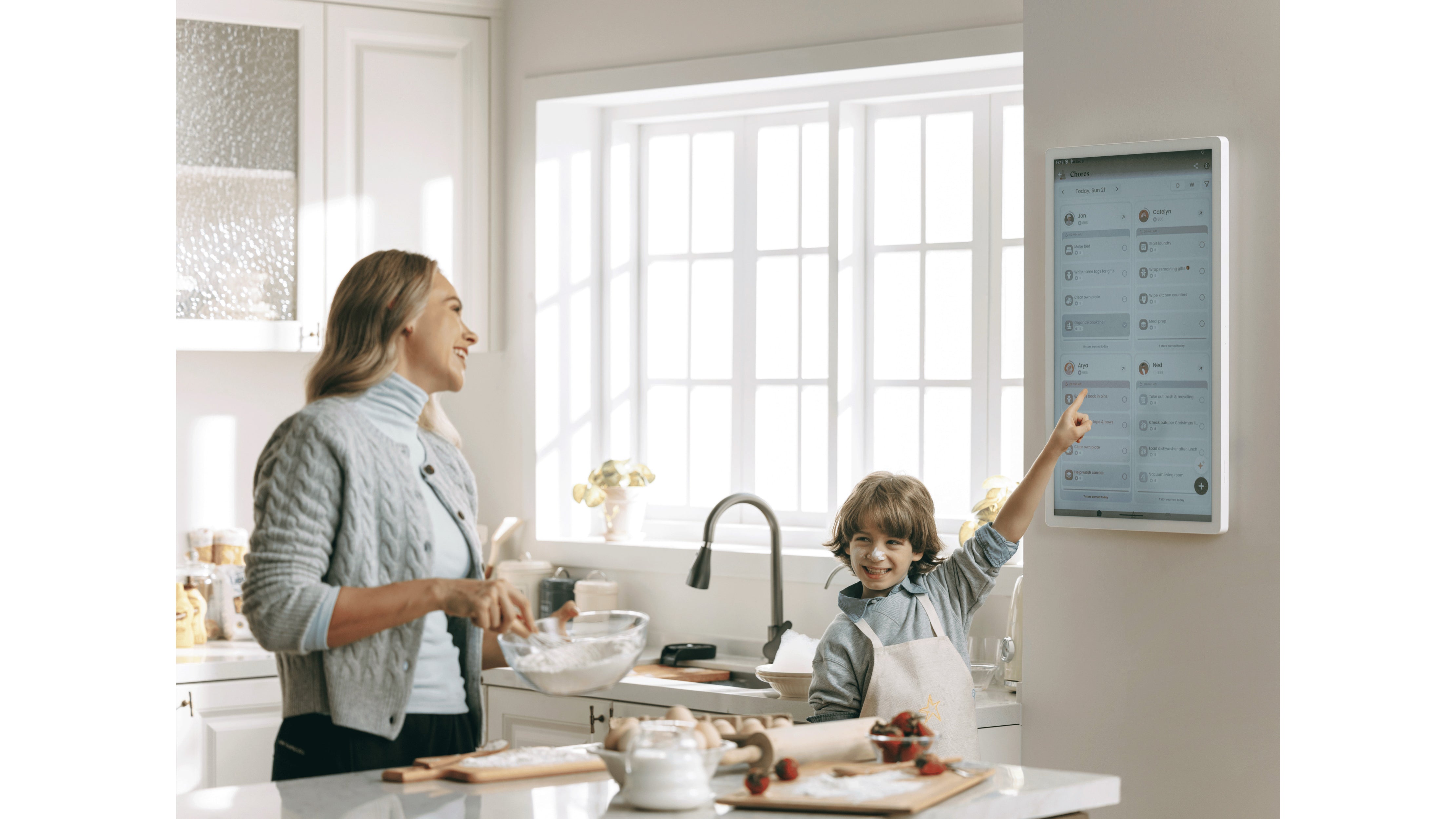
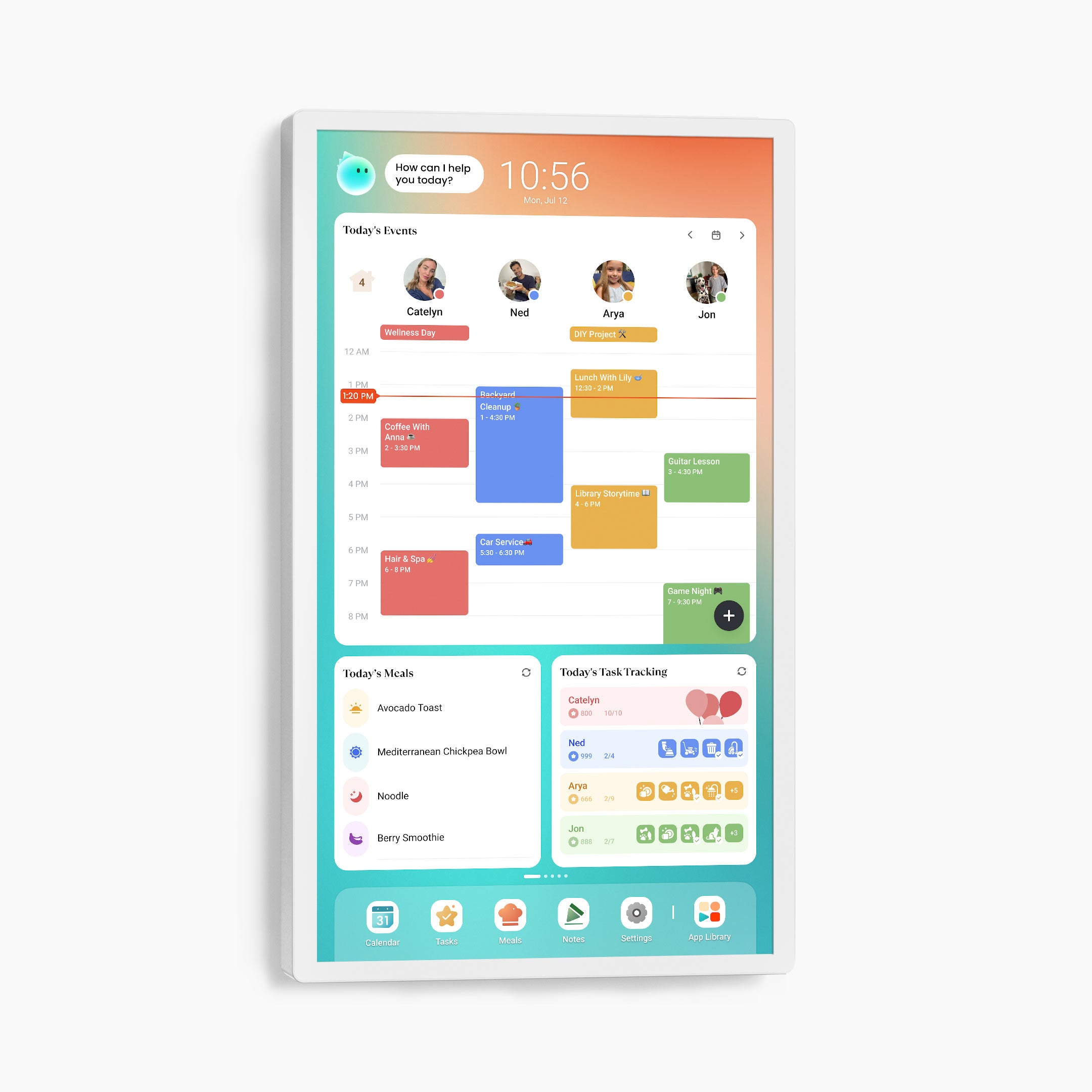
Keeping track of everyone’s responsibilities can become difficult as family schedules get busier. Between school activities, household tasks, routines, and personal to-dos, it’s easy for important things to get missed. A digital chore system brings these everyday responsibilities into one shared place, making it easier for everyone to know what needs to be done.

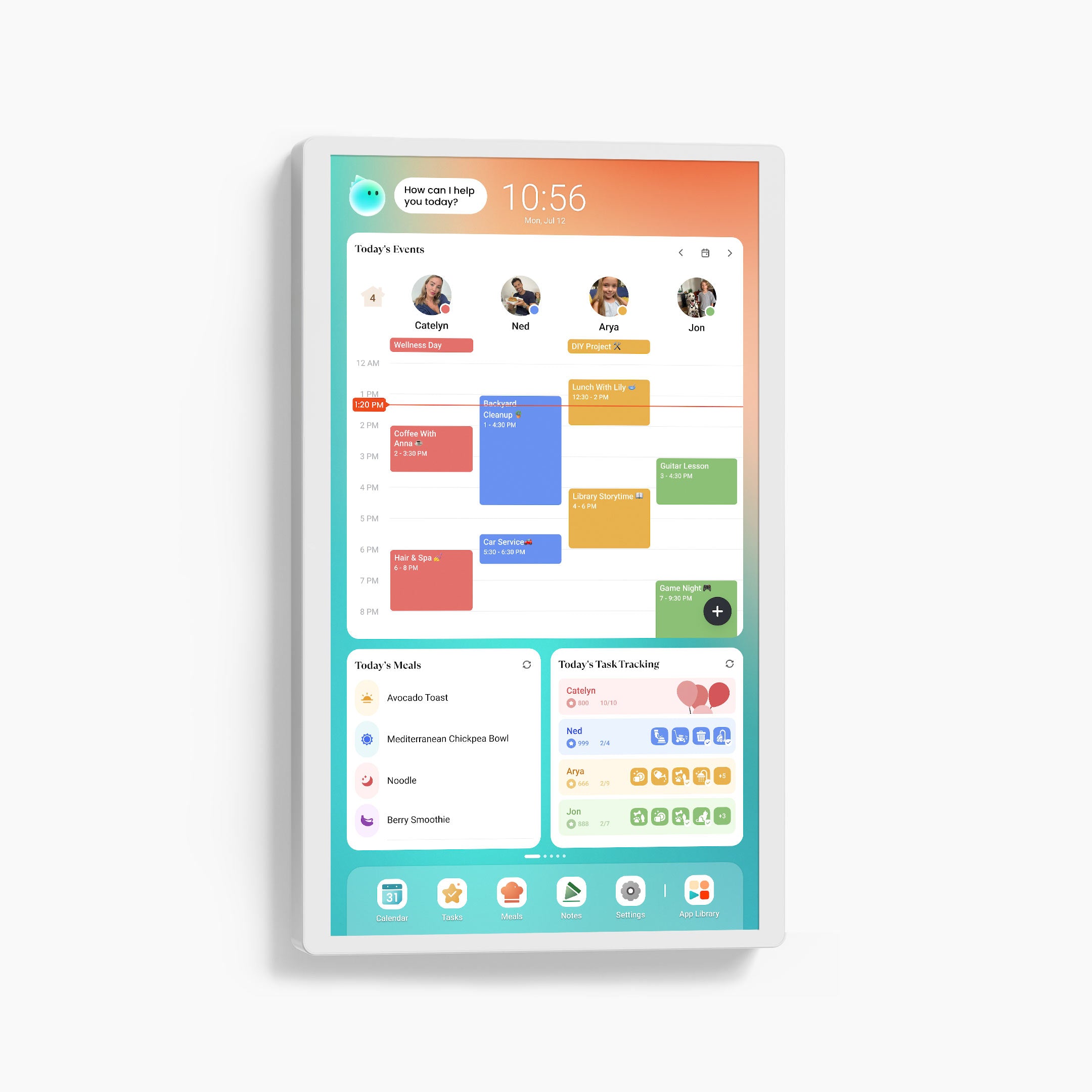
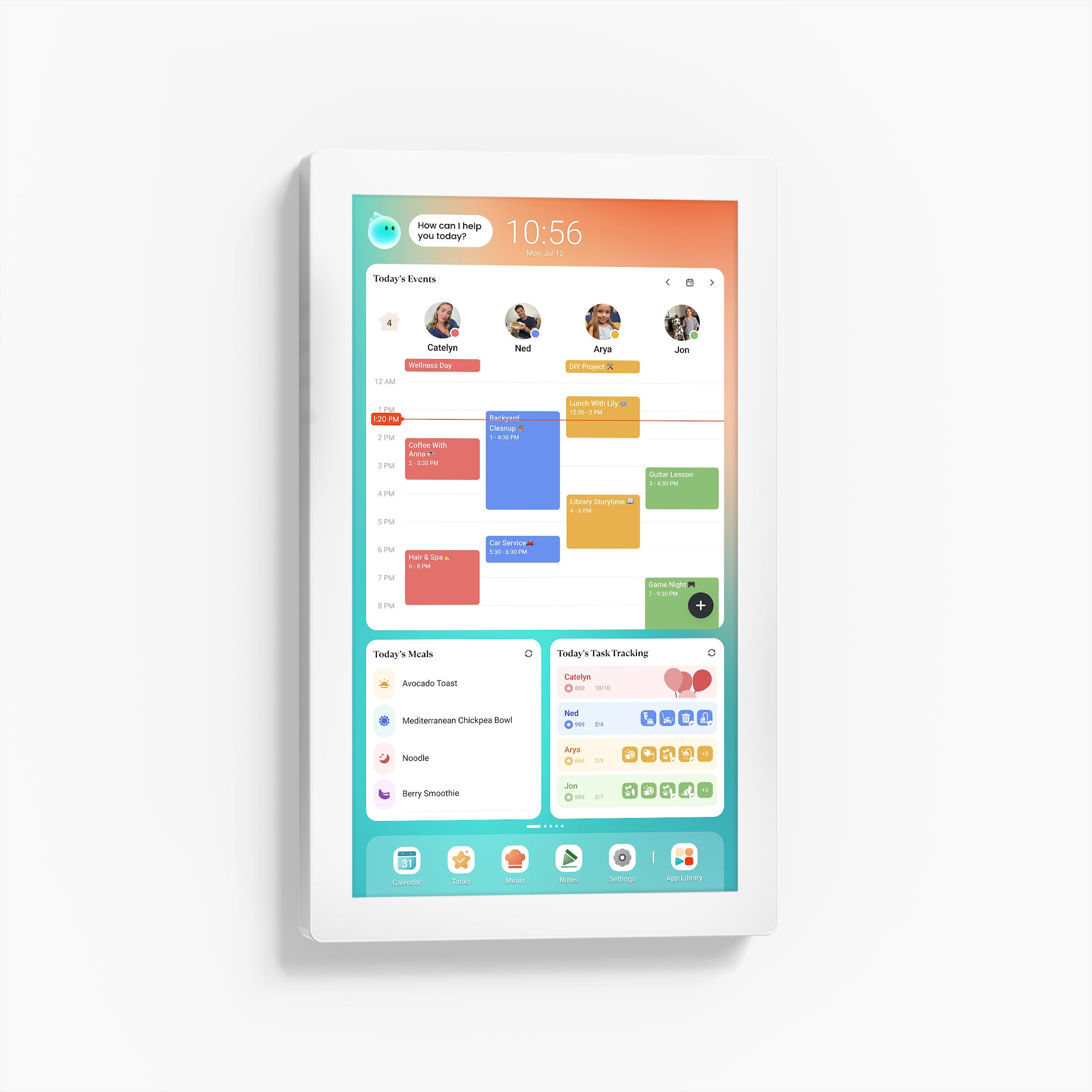
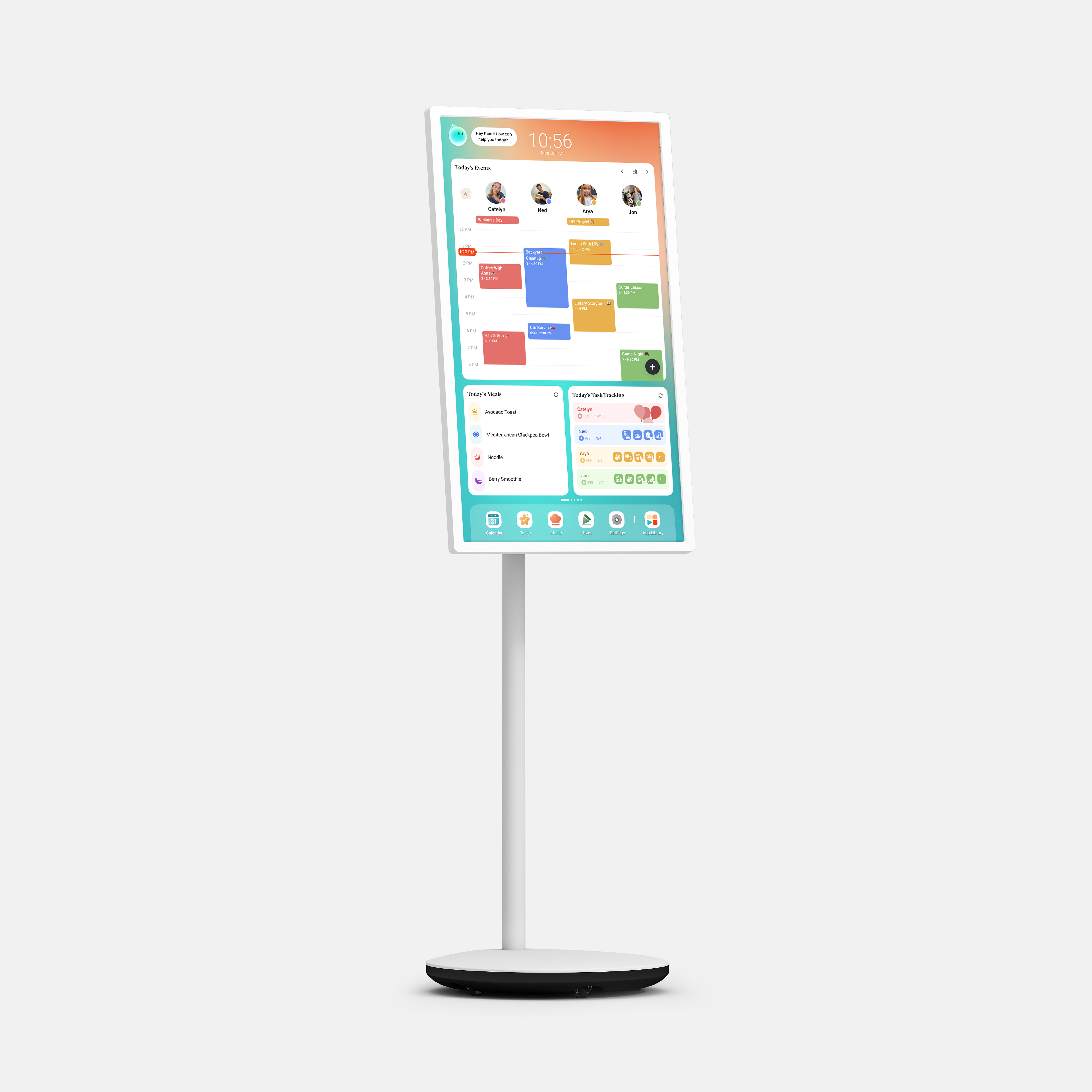
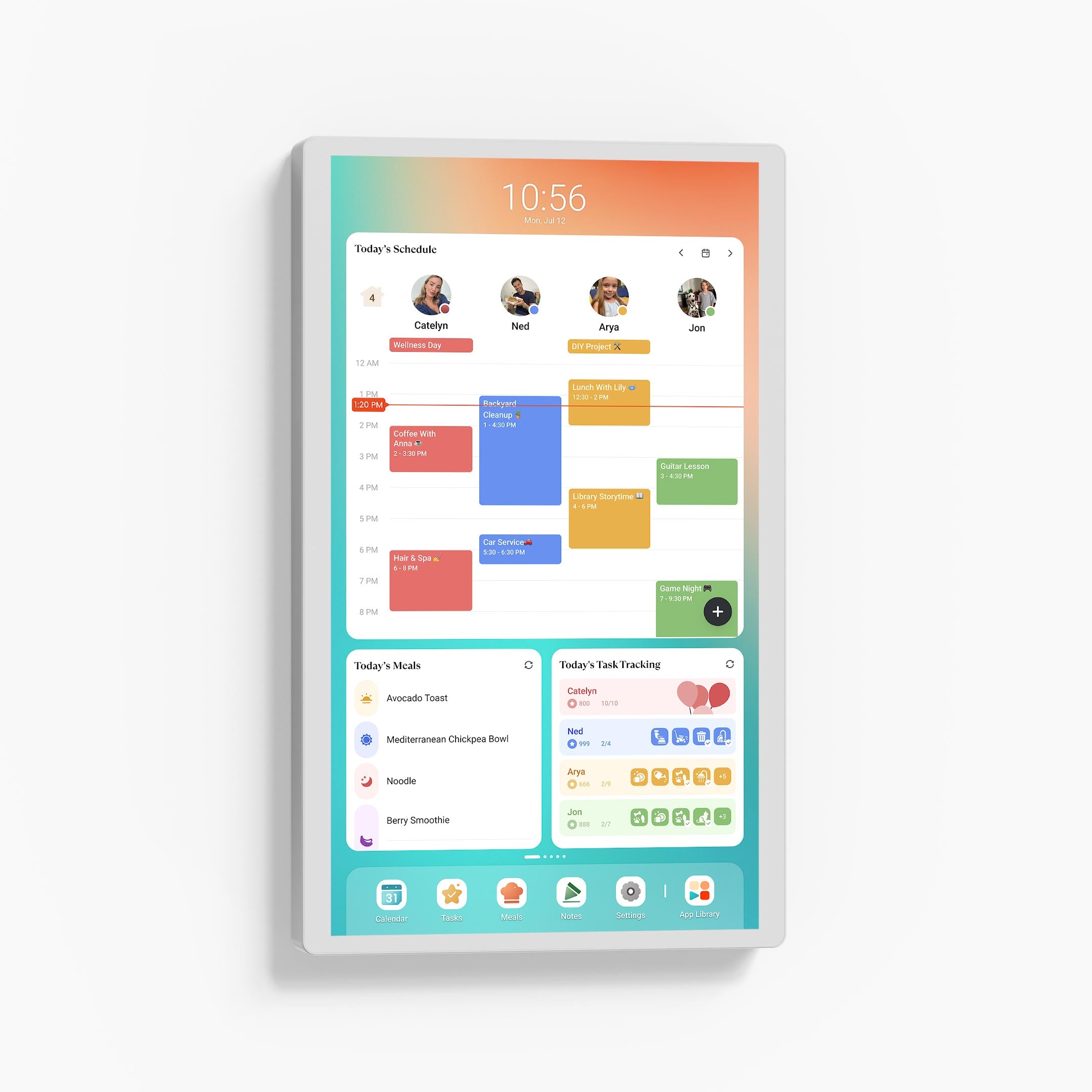
This is where a family digital calendar like Cozyla can help. Beyond displaying schedules, Cozyla’s built-in Task feature allows families to manage chores, routines, and to-do lists for different family members in one place. With progress tracking and Rewards, kids can see their achievements and stay motivated as they build everyday habits.
By turning chores into a shared family routine rather than a list of unfinished tasks, digital tools can make organization easier and help everyone stay on the same page.
A few simple principles can make the process easier:
🌟Start small: Begin with a few simple responsibilities and gradually add more as your child grows.
🌟Stay consistent: Regular routines help chores become a natural part of everyday family life.
🌟Avoid doing everything for your child: Give kids the opportunity to try, learn, and take responsibility, even if tasks are not completed perfectly at first.
🌟Let children feel ownership: Involving kids in choosing or managing their responsibilities can make them more engaged.
🌟Reward effort, not just results: Recognize progress and consistency to help children stay motivated along the way.
The best chore habits are built through patience, consistency, and small steps. When children feel trusted and involved, chores become less of a daily struggle and more of a shared part of family life.
More ways to simplify family life.
Better Bedtime, Better Kids: How to Build a Simple Sleep Routine
Read moreabout Better Bedtime, Better Kids: How to Build a Simple Sleep Routine

How to Build a Shared Family Google Calendar

How to Prepare Your Family for Back to School With Less Stress
Read moreabout How to Prepare Your Family for Back to School With Less Stress
Discover the calendars families rely on every day to stay organized.






Share: